





Vibration isolation
Vibration isolation is used to prevent vibrations from a source being transmitted. Check out our range of high-quality solutions for installing vibration-isolating underlays, ensuring you are guaranteed a quiet and comfortable environment.


Avoiding contact noise
Vibration isolation involves separating and reducing vibrations, making them less likely to be transmitted. This can be applied to various devices and machines, such as washing machines, pool pumps, and structures such as floors, ceilings and walls. In this way, it acts as a sound dampener by reducing vibrations.
EASYbond vibration isolation
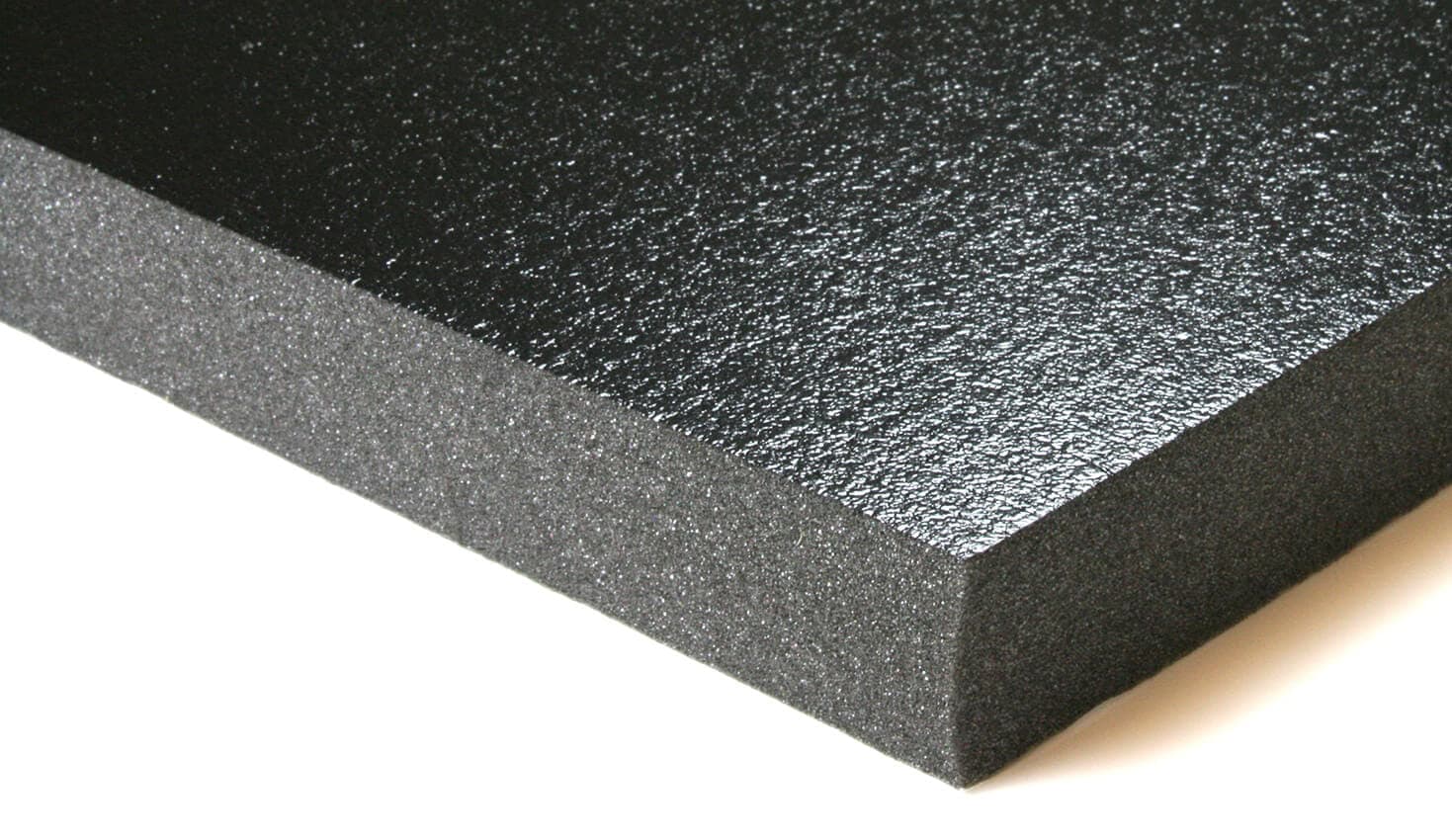
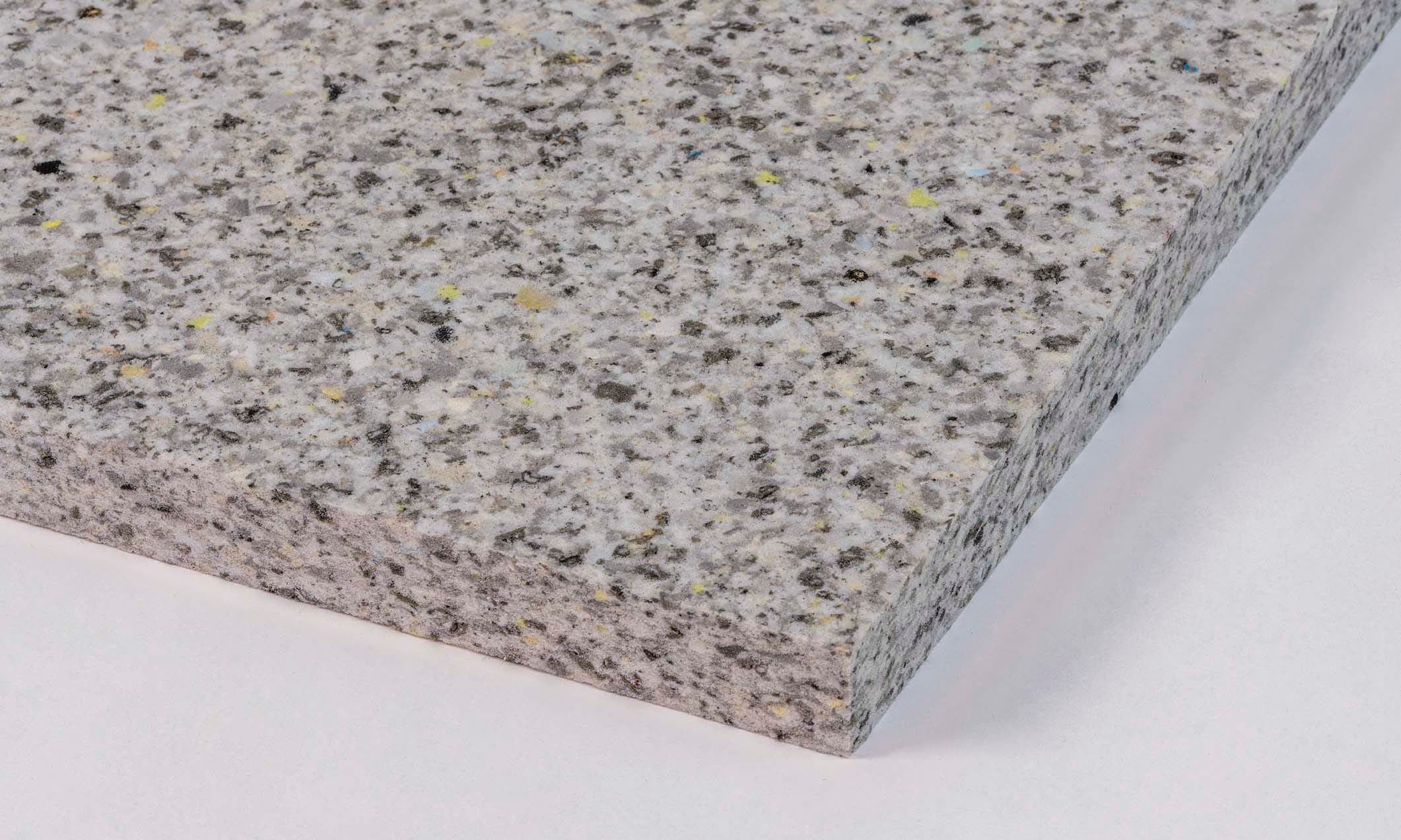
EASYbond vibration isolation is perfect as an underlay to reduce impact noise and vibrations. It is available in two thicknesses: 1 cm and 3 cm. The 1 cm variant is suitable for use under laminate or parquet floors, while the 3 cm variant is ideal for creating a floating floor, such as in a recording studio.
EASYbond strips
EASYbond strips are very suitable for decoupling walls. With these strips, the wall no longer comes into direct contact with the ceiling and the floor. The EASYbond vibration isolation strips are fire safety certified according to FMVSS302.
FAQ
What is vibration insulation?
Vibration insulation involves the use of elastic or resilient materials to prevent vibrations from spreading from one object or building part to another. This can, for example, be achieved with vibration-damping foam or with decoupled fastenings that utilize flexible material or springs.
What material dampens vibrations?
Vibrations are effectively dampened by flexible materials such as rubber and polyurethane foams. A commonly used example of this is EASYmount vibration isolation, produced with high-quality Sylomer® material.
What is the difference between vibration isolation and sound insulation?
Vibration isolation involves isolating the source of vibrations from its environment. This prevents the generation of noise or vibration damage.
With soundproofing, you block the existing noise and prevent it from spreading further.
Sound insulation and vibration isolation are closely related: vibration isolation primarily focuses on the source, while sound insulation targets the transmission and spread of noise.
Where is vibration isolation applied?
Vibration insulation is used in construction and industry to reduce mechanical vibrations from installations, machines, or contact noise, so that these do not spread through structures and do not cause noise disturbance or vibration damage.
How do you effectively install vibration isolation?
Place the vibration-damping material as close as possible to the source and choose the correct type, with the appropriate mass and stiffness depending on the load. A practical example of this is EASYmount vibration isolation. In many situations, expert advice is required to determine the optimal solution.