





Polyurethane foam (PU foam)
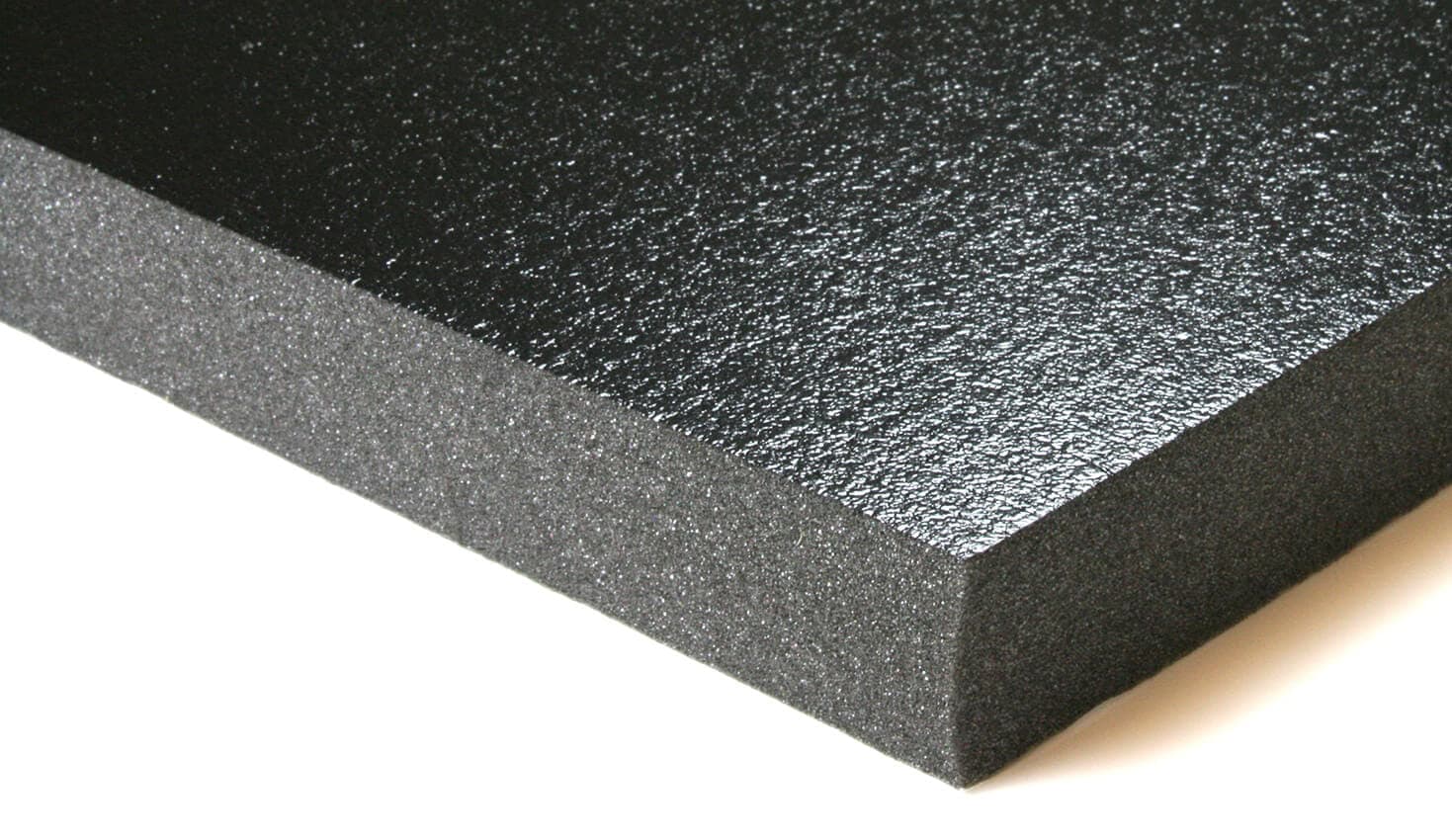
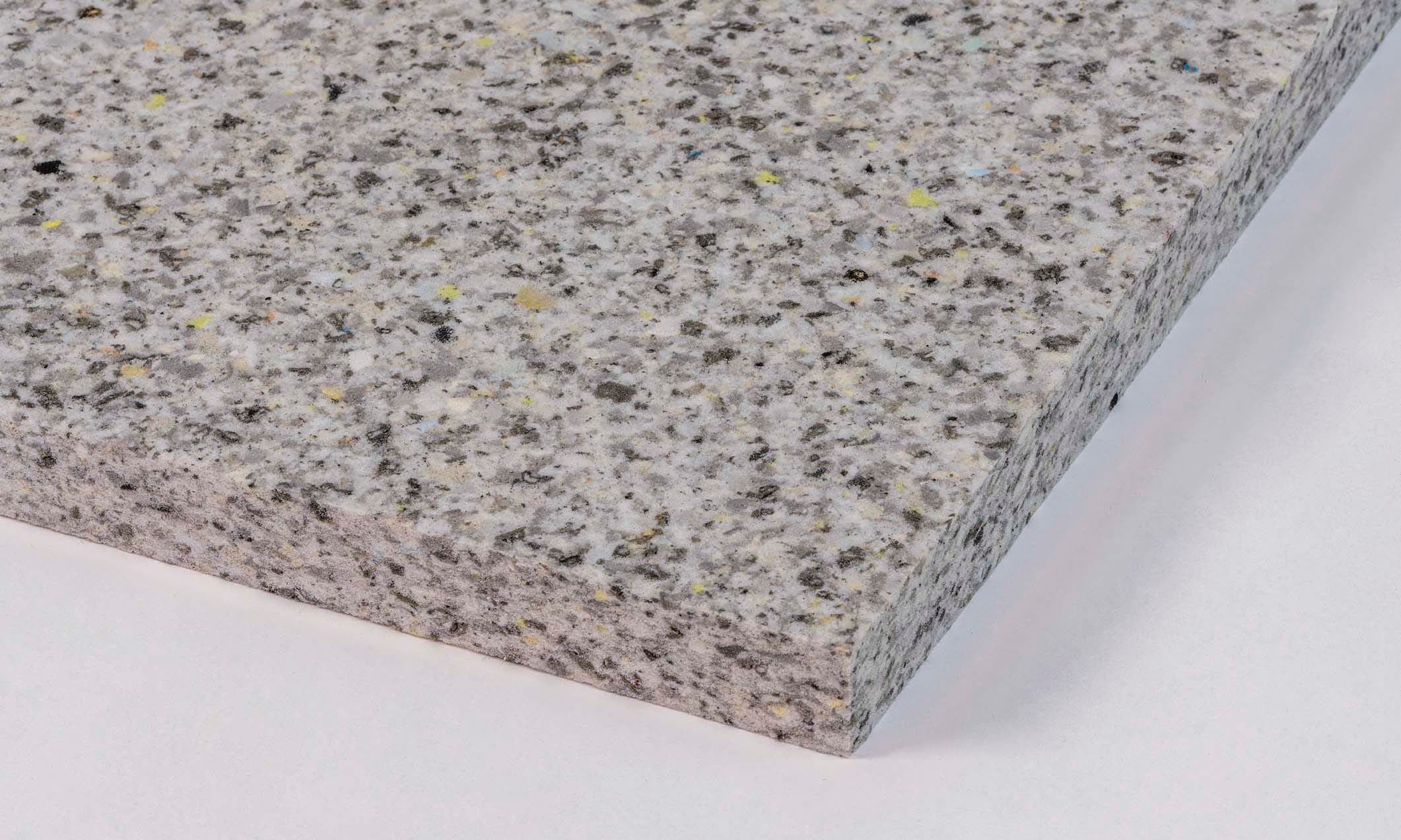
Fibers & Foams offers a wide selection of polyurethane foam (PU foam), specifically known as polyether foam. These foams are offered under the name EASYfoam. You have the choice of various finishes, dimensions, and thicknesses. EASYfoam is easy to order online and is delivered directly from stock.


What is polyurethane foam?
Polyurethane foam, often abbreviated as PU foam, is a widely used material produced through the reaction of polyol and diisocyanate. This results in a versatile foam with various properties, depending on the raw materials and production methods used. Polyurethane foam is known for its lightweight nature, flexibility, and insulating properties. It is used in a wide range of applications, including insulation, furniture, mattresses, packaging, and soundproofing. In the context of soundproofing or acoustic insulation, polyurethane foam can be used as acoustic foam to absorb sound and improve a room's acoustics.
Applications of polyurethane foam
Acoustic foam, also known as soundproofing foam or noise insulation foam, has an open-cell structure that absorbs and dampens sound. PU acoustic panels with a closed-cell structure are also available online, but they do not provide soundproofing capabilities.
This foam is used in various ways. Firstly, it serves as soundproofing foam for hollow spaces, such as cavity walls (not suitable for damp environments or exterior walls), and in the construction of sandwich panels, where the soundproofing foam is enclosed between two plywood or MDF sheets.
Secondly, it is used as acoustic foam to reduce reverberation and resonance, for example, in enclosures around noisy equipment such as pumps or ventilation ducts, as well as in engine compartments.
Thirdly, it can be applied to enhance room acoustics, particularly in sound studios, which is why it is often referred to as "studio foam." It can also be used in server rooms by applying polyurethane foam panels to the walls, creating a quieter environment.
Properties of polyurethane foam
The PU foam we offer is renowned for its excellent acoustic performance due to its high density. It is available in the form of acoustic panels and has a lifespan of approximately 5 to 10 years, depending on the application. For instance, when used under a car bonnet or in areas exposed to sunlight, it may age more quickly than in a server room.
Additionally, we offer acoustic foam with special top layers that are resistant to oil and water splashes. An example is EASYfoam PU, which features a top layer suitable for exposure to oil and moisture.
Our polyurethane-based acoustic foam is flame-retardant in accordance with FMVSS 302 and UL-94 class HF1 standards, making it suitable for applications with high fire safety requirements. Unlike polyether foams, which are not recommended for use in public spaces due to strict fire safety regulations.
Different finishes and variants
EASYfoam panels are available in various versions, with different thicknesses, as the thickness of the soundproofing foam is a crucial factor in determining its acoustic performance. Generally, the thicker the foam, the better the sound absorption. Detailed information on the absorption properties of each variant can be found on the product page.
In addition, we offer acoustic foam in different surface structures, such as egg-crate, pyramid, or flat foam (TC2). Some variants come with a top layer that provides extra protection against oil or water splashes, such as EASYfoam PU or AC2. These high-quality variants are particularly suitable for use in machine rooms or enclosures for water pumps.
All variants are equipped with a self-adhesive backing for easy installation. Of course, we are always available to assist you in selecting the right variant for your specific needs!
FAQ
What is polyurethane foam?
Polyurethane foam (PU foam) is a synthetic foam material that results from a chemical reaction between components. During curing, the material foams up and, after curing, the open cells in the foam are filled with air. Open-cell flexible polyurethane foam is used, among other things, as an absorption material in acoustics.
How does polyurethane foam work?
Polyurethane foam has a network of small, air-filled cells. When sound waves contact the material, they penetrate these cells. As the sound waves move through the foam, they lose their energy due to the friction generated, thereby damping the sound.
What is polyurethane foam used for?
Polyurethane foam has many different variants with specific properties concerning finish, fire behavior, and high sound absorption. This foam is mainly used for sound absorption in industrial applications, such as machine enclosures, equipment manufacturing, ships and vessels, and HVAC systems.
Is polyurethane foam soundproof?
No, polyurethane foam actually has an open structure which allows it to absorb sound. polyurethane foam is not soundproof and therefore not sound-insulating on its own.
Is polyurethane foam waterproof?
Polyurethane foam is not waterproof. By applying a liquid-resistant top layer, such as with EASYfoam PU, the material is made liquid- and oil-resistant.